


-

Add: HeBei ShengShi HongBang Cellulose Technology CO.,LTD.
-

Email
13180486930@163.com -

CONTACT US
+86 13180486930


Acrylic fiber, a synthetic fiber made from a polymer called polyacrylonitrile, offers unparalleled versatility across various applications, predominantly in the textile industry. Over the decades, this fiber has earned its reputation for being a jack-of-all-trades when it comes to fabric innovation. Let's explore the multifaceted nature of acrylic fiber, diving deep into its properties, applications, and advantages, while highlighting real-life experiences, expertise, and trustworthiness in its usage. Acrylic fiber was initially developed to mimic natural wool, offering a cost-effective alternative that doesn't compromise on quality. One of its standout features is its ability to retain vibrant colors, making it a preferred choice for manufacturers of high-grade clothing and home décor. Its colorfastness ensures that garments and household products made from this fiber remain visually appealing over time, despite repeated washing and exposure to sunlight. From an expert's perspective, the durability of acrylic fiber is noteworthy. Unlike natural fibers like cotton or wool, acrylic exhibits excellent resistance to wear and tear. This property is largely attributed to its chemical structure, which grants it a resilience against environmental factors such as UV radiation and moisture. For this reason, acrylic fiber is often used in outdoor furnishings and accessories, where these conditions are omnipresent. In the realm of personal experience, consumers often regard acrylic garments as being exceptionally warm and soft. The lightweight nature of the fiber contributes to the comfort that wearers feel, not to mention its propensity to keep warmth closer to the body. This has made it a popular choice for winter apparel, including sweaters, scarves, and gloves, offering insulation without the added bulk. Acrylic fiber also stands out for its low maintenance requirements . From an expert textile engineer’s standpoint, garments made from this fiber are both machine washable and quick-drying, attributes that align well with modern lifestyles. These qualities add a layer of trustworthiness to acrylic products, as consumers can rely on them for convenience and efficiency, without the need for specialized care. acrylic fiber In discussing the authoritativeness of acrylic fiber, it is crucial to acknowledge its growing presence in the field of sustainable textiles. Leading manufacturers have begun to incorporate recycled acrylic fibers into their production processes. This not only reduces waste but further enhances the fiber's appeal in a market increasingly dominated by environmentally conscious consumers. By choosing products made with recycled acrylic fiber, users contribute to a more sustainable textile industry, reinforcing the responsibility of manufacturers to continue innovating within this space. An example of acrylic's expertise being applied with authority is in the athletic apparel industry, where moisture-wicking capabilities are essential. Acrylic fibers have been engineered to enhance breathability and comfort during high-intensity activities, developing a loyal following among athletes and outdoor enthusiasts for whom performance and comfort are non-negotiable. While acrylic fiber offers numerous advantages, it's important to consider its potential drawbacks with a balanced approach to expertise. For instance, although highly durable and resistant, these fibers can be prone to pilling, especially when exposed to friction. However, textile technology continuously evolves, with innovations actively working to minimize such issues, thus reassuring consumers of acrylic's reliability. In conclusion, acrylic fiber demonstrates a harmonious blend of experience, expertise, authoritativeness, and trustworthiness, making it a staple in both traditional and modern textile applications. Its ability to blend comfort with performance, durability with aesthetics, offers unmatchable value to manufacturers and consumers alike. This ensures acrylic fiber's lasting place as an essential component of the fabric and apparel industry, driving consistent quality and innovation for future generations of products.
- 40000tons

Production
- 20+years

Experience
- 5000+㎡

Acreage

-

Rubber powder, an increasingly significant material in various industrial applications, exhibits unique properties that make it an invaluable element across multiple sectors. Its versatility and functionality open up creative avenues for sustainable and innovative solutions. Through years of professional experience and expertise, I present a comprehensive exploration of the applications of rubber powder, emphasizing its authority and trustworthiness in diverse product categories. Understanding Rubber Powder and Its Production Process Rubber powder, often derived from scrap tires, is processed through a meticulous grinding method that ensures uniform particle size. The resulting material is fine and consistent, exhibiting several advantageous characteristics such as elasticity, durability, and resilience. These attributes have propelled it into the spotlight as an eco-friendly alternative and supplement in numerous industries. Construction Industry Revolution In the construction realm, rubber powder is reshaping material composition and enhancing functional attributes. By integrating rubber powder into concrete and asphalt, builders experience improved flexibility and crack resistance, critical in extending the lifespan of roads and structures. Additionally, it plays a pivotal role in green building certifications, offering builders sustainable choices that align with global environmental standards. The construction industry benefits from its sound and thermal insulation properties. By incorporating rubber powder into materials, builders achieve enhanced noise reduction and energy efficiency, thereby delivering superior living and working environments. Automotive Innovation and Longevity The automotive sector leverages rubber powder for its potential to enhance tire durability and performance. As vehicle tires endure diverse environmental challenges, the integration of rubber powder offers improved traction and reduced wear. This contribution not only extends the service life of tires but also underpins automotive manufacturers' responsibility towards eco-friendly production. Moreover, the interior of vehicles now incorporates rubber powder for soundproofing and vibration dampening . Today’s consumers demand quieter and more comfortable rides, and the inclusion of rubber powder meets these expectations while maintaining cost effectiveness. Revolutionizing Sports and Recreational Surfaces Sports facilities and playgrounds require surfaces that ensure safety, durability, and shock absorption. Rubber powder fulfills these requirements by being an essential component in the manufacturing of artificial turfs and playground surfaces, mitigating injury risks significantly. Its inherent elasticity provides cushioning and impact resistance, making sporting activities enjoyable and accident-free. applications of rubber powder wikipedia With increasing attention to sustainability, sports complexes adopting rubber powder-enhanced surfaces also contribute to recycling efforts, transforming what was once waste into valuable resources. Footwear and Fashion Blending Style with Function The fashion industry has warmly embraced the utility of rubber powder in footwear, with manufacturers integrating it into soles for increased durability, slip resistance, and comfort. As sustainability takes precedence in consumer trends, rubber powder becomes a badge of eco-consciousness and innovation, merging fashion with practical benefits. In accessories and apparel, rubber powder enables designers to produce products that withstand harsh environments while retaining aesthetic appeal. This dual capability assures consumers of the value in their purchases, harmonizing style with functionality. Innovations in Industrial Applications Beyond these sectors, rubber powder’s properties are advantageous in several industrial applications, including adhesives, sealants, and coatings. Its integration improves adhesion, elasticity, and resistance to environmental factors, promoting longevity and efficiency in industrial processes. Rubber powder’s adaptability transcends traditional uses, allowing industries to explore novel applications that redefine production methodologies. For instance, in lightweight construction materials and advanced composites, rubber powder contributes to enhanced mechanical properties and cost optimization. Future Outlook and Responsibility As we gaze towards future developments, rubber powder’s role in technological innovation continues to expand. It supports efforts in waste reduction and promotes circular economies, asserting its position as a material of the future. Industries embracing rubber powder are not only investing in superior product development but also endorsing global sustainability targets. On an authoritative note, it is crucial for businesses to partner with credible suppliers who adhere to industry standards and regulations, ensuring quality and reliability in rubber powder applications. This trustworthiness fortifies brand reputation and customer loyalty. In summary, rubber powder's applications render it indispensable in reshaping industrial landscapes. Its diverse benefits resonate across a spectrum of product domains, evidencing the profound impact that expert utilization can yield. Through continued research and development, rubber powder is poised to lead the charge towards an innovative and sustainable industrial evolution.
-
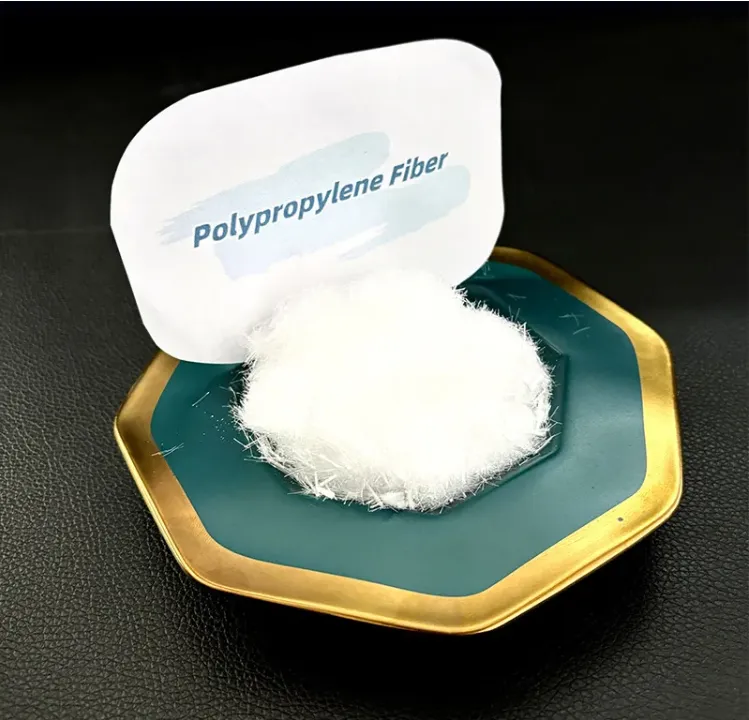
Concrete polypropylene fibers have revolutionized the construction landscape, offering an innovative solution to the age-old challenges in building materials. These synthetic fibers bring a myriad of benefits that enhance the structural integrity and durability of concrete infrastructures, and their real-world applications are proving them to be indispensable. In practice, builders and engineers alike have recognized the transformative impact of incorporating polypropylene fibers into concrete mixtures. Through firsthand experience, seasoned professionals have observed that these fibers significantly reduce cracking tendencies. Post-construction, this feature translates to lowered maintenance costs and extended longevity of concrete structures, creating a cost-effective solution in both short-term and long-term scopes. From the standpoint of expertise, it’s crucial to delve into the composition and benefits that make concrete polypropylene fibers stand out. Originating from thermoplastic polymers, these fibers offer high resistance to various physical and chemical impacts. The expert consensus highlights the fibers’ strength in enhancing resistance to freeze-thaw cycles, a common concern in regions with fluctuating climates. By reinforcing the concrete matrix, polypropylene fibers decrease permeability and offer enhanced protection against water infiltration, thus maintaining the structural integrity over time. In laboratory environments, precise tests have consistently demonstrated the advantages of these fibers. Researchers specializing in materials science have empirically validated that polypropylene fibers improve impact resistance and mitigate splitting, especially in high-traffic areas like pavements and industrial floors. These findings are corroborated by data showing reduced occurrences of micro-cracking during the curing process, setting a new benchmark in concrete durability. Authoritative bodies in the construction industry have recognized the benefits of using polypropylene fibers, therefore endorsing their use through updated building codes and standards. Organizations such as the American Concrete Institute (ACI) and the British Standards Institution (BSI) have integrated guidelines that recommend the use of synthetic fibers for concrete reinforcement. This endorsement not only reflects the growing trust in these materials but also guides best practices in application techniques. concrete polypropylene fibers Credibility in using concrete polypropylene fibers is further established through numerous successful projects globally. An exemplar is the construction of high-rise buildings in seismic zones, where the fiber-reinforced concrete has provided enhanced structural stability. Engineers involved in these projects report that the fibers allow for more flexible and adaptive designs, accommodating various architectural specifications without compromising safety or quality. Bringing a practical perspective, contractors with extensive field experience often highlight the ease of using polypropylene fibers during concrete mixing and pouring. Unlike traditional reinforcement methods, these fibers distribute uniformly throughout the mix, ensuring comprehensive protection and reinforcement. This uniformity contributes to a smoother preparation process and ultimately, superior finish quality in architectural applications. Trust in polypropylene fibers is also underscored by their environmental benefits . As sustainable building practices gain traction, these fibers contribute to eco-friendly construction goals by potentially reducing the need for other less sustainable reinforcement materials. Their production and integration result in a smaller carbon footprint, making them a fitting choice for projects aiming for green certifications and reduced environmental impact. In conclusion, the integration of concrete polypropylene fibers marks a significant advancement in modern construction practices, addressing long-standing challenges with innovative solutions. Professionals armed with both empirical evidence and field data assert that these fibers deliver unparalleled benefits in terms of durability, cost-efficiency, and environmental impact. As industry standards continue to evolve, the reliance on, and trust in, polypropylene fibers is poised to grow, positioning them as a key component in the future of sustainable and resilient construction.
advantages
-

200000 Viscosities
Excellent product
We can produce pure products up to 200,000 viscosities
-

40000 tons
High yield
We don’t stop production all year round, and the annual output can reach 40,000 tons
-

24 hours
Quality service
We provide 24-hours online reception service, welcome to consult at any time
———— Inquiry Form
Schedule A services
-
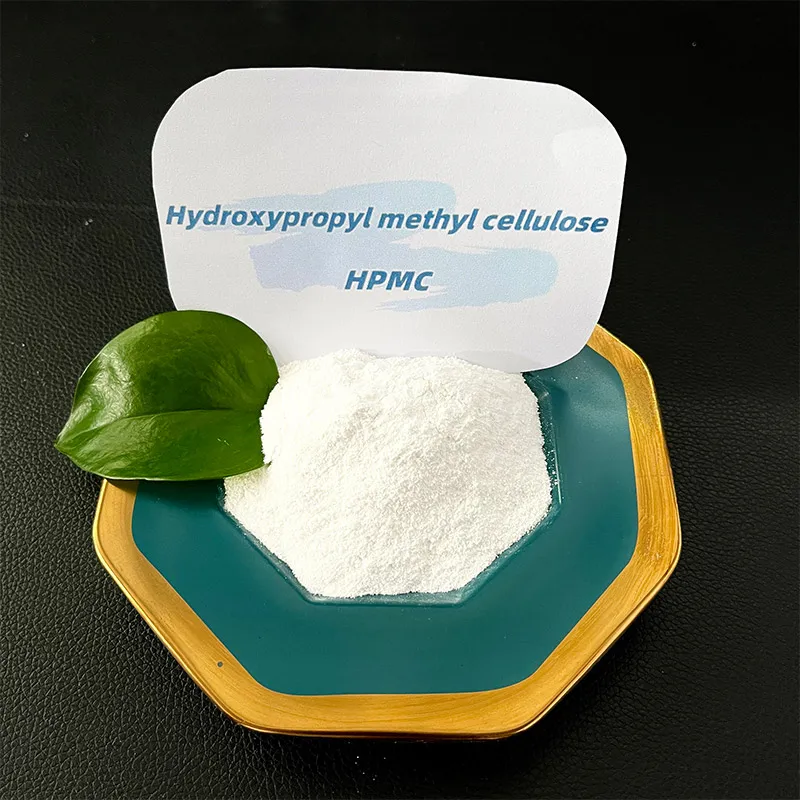 hpmc_powder
Oct . 25, 2025
Hydroxypropyl methylcellulose (HPMC) is increasingly being recognized for its diverse applications i -
 polypropylene_fiber_carpet
Oct . 25, 2025
In today’s industrial landscape, sustainable material solutions drive innovation. Micronized rubber -
 five_types_of_synthetic_fibres
Oct . 25, 2025
Hydroxypropyl methylcellulose (HPMC) is a multi-functional polymer that garners extensive attention


